July 8, 2026
Oil tank removal is an important process with significant implications for safety, environmental sustainability, and property value. Whether you are a homeowner or a commercial property owner, understanding the necessity of removing old or unused oil tanks is crucial for maintaining compliance with regulations and ensuring the safety of your premises. The task requires skilled professionals to manage the complexities involved, including regulatory compliance and potential contamination risks.
Understanding the Need for Professional Services
The Risks of Abandoned Oil Tanks
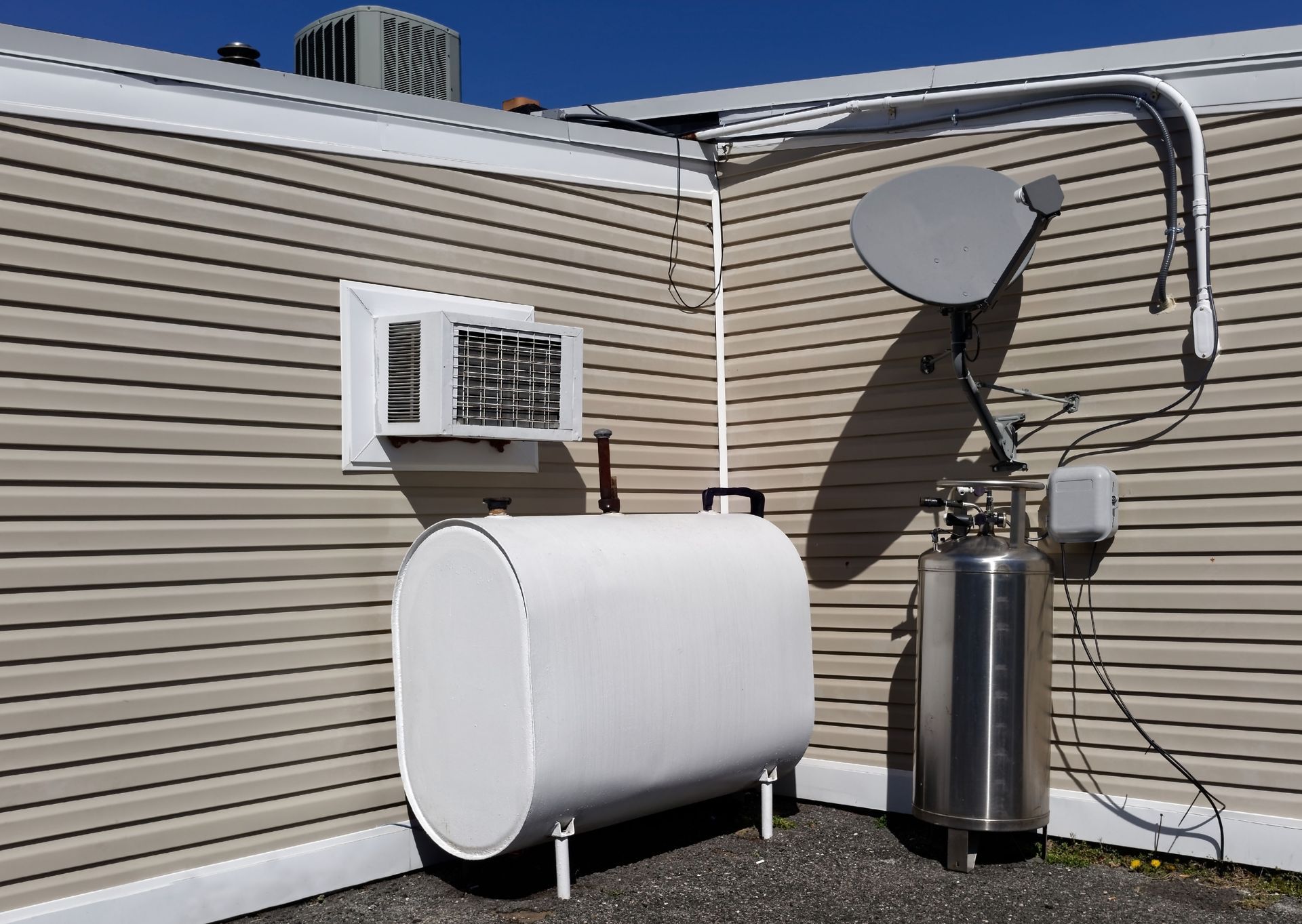
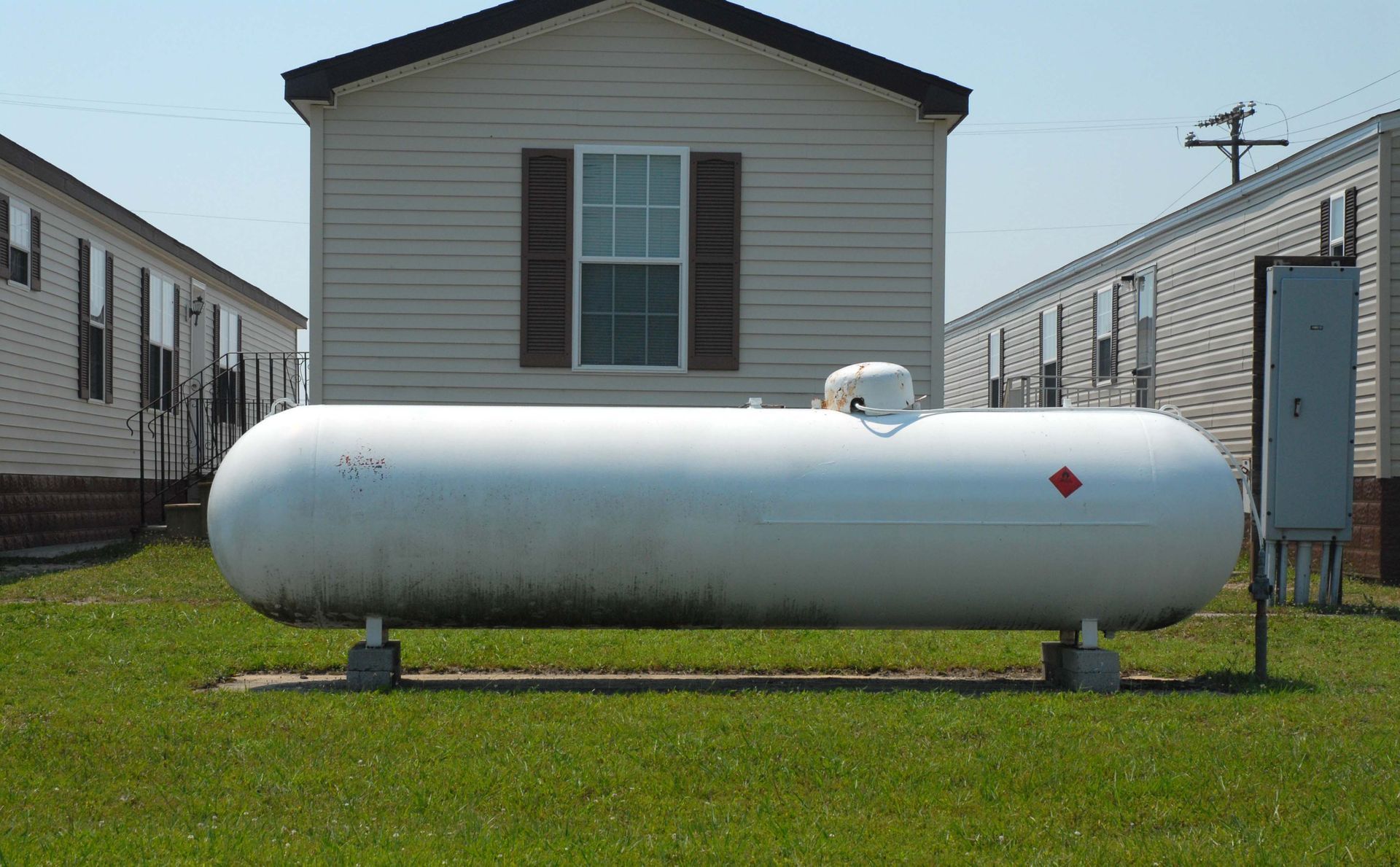
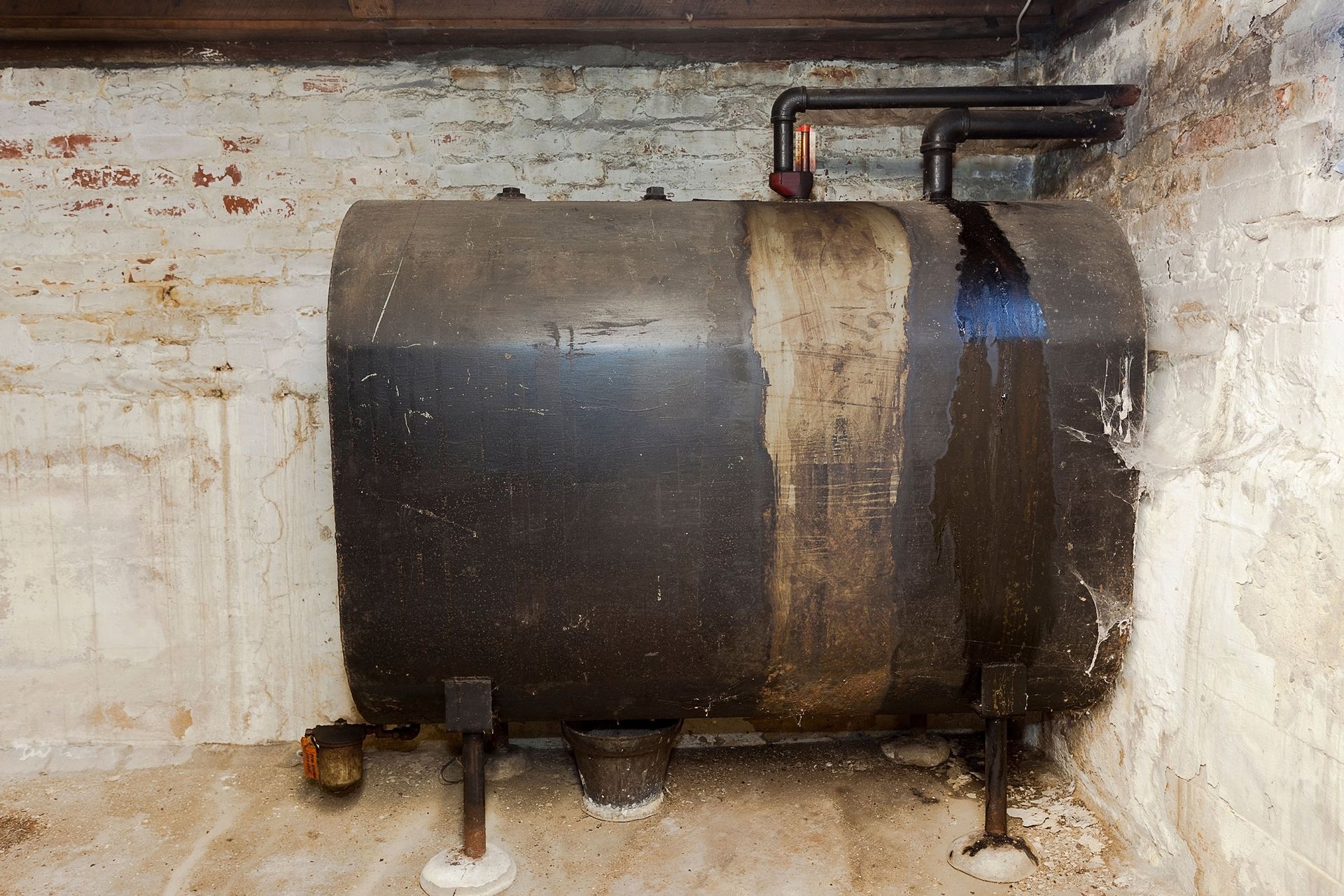
Abandoned oil tanks pose a variety of risks to property owners, including environmental hazards and structural instability. Over time, these tanks can corrode and leak, posing both an ecological threat and a potential hazard to nearby structures. The presence of an old oil tank can complicate property transactions, as buyers may be wary of the potential liabilities involved. Addressing these risks proactively through a professional oil tank removal company can prevent costly future expenditures and protect property values.
Environmental Concerns and Compliance
Environmental regulations are becoming increasingly stringent, making compliance a significant concern for property owners with oil tanks. Leaking tanks can contaminate soil and groundwater, leading to costly environmental cleanups and potential legal repercussions. Ensuring compliance with local, state, and federal regulations not only mitigates these risks but also demonstrates a commitment to environmental stewardship. Hiring a qualified oil tank removal company ensures that the process adheres to strict environmental guidelines and protects the surrounding landscape.
Researching and Selecting a Partner
Identifying Reputable Companies
When searching for an oil tank removal company, identifying reputable candidates is the first critical step. A company's reputation is often a reflection of its compliance with industry standards and its commitment to customer satisfaction. Seek out companies with a track record of successful projects, as evidenced by reviews and recommendations from past clients. Established firms often demonstrate superior project management skills and a comprehensive understanding of regulatory requirements.
The Role of Professional Expertise
Choosing the right team is about more than just the removal itself; it is about ensuring the long-term safety and compliance of your property. Professionals bring specialized training in handling hazardous materials, reducing the risk of accidental spills or improper disposal. By leveraging their expertise, property owners can avoid the common pitfalls that often lead to regulatory complications or environmental damage. Furthermore, these companies are well-versed in local regulations, which can vary significantly from one municipality to another, ensuring that every step of the project—from initial permitting to final site certification—is handled with precision and professional accountability.
Checking Licenses and Certifications
Licensing and certification are non-negotiable criteria for selecting a service provider. These credentials demonstrate a company's expertise and its adherence to safety standards and regulatory compliance. According to the U.S. Bureau of Labor Statistics, the number of construction equipment operators is expected to rise by 4% between 2023 and 2033, reflecting the continued need for skilled professionals in projects like tank removal. Potential clients should verify any licenses with relevant local or state authorities to ensure their validity and current standing.
Evaluating Cost Estimates
Obtaining and evaluating cost estimates is an essential aspect of planning for your project. Cost transparency allows property owners to budget effectively and prepare for any unforeseen expenses. It is important to compare estimates from different companies, paying close attention to what each quote includes. A reliable oil tank removal company will provide detailed estimates that outline labor, equipment, and additional service costs to ensure you understand your financial commitments.
The Removal Process Explained
Initial Assessment and Inspection
The initial assessment and inspection phase is critical, setting the foundation for a successful project. During this stage, experts will evaluate the tank's condition, its potential impact on the surroundings, and any regulatory requirements that must be met. A thorough assessment can identify issues such as leakage or soil contamination that need to be addressed before removal begins. These comprehensive inspections ensure that no hidden problems complicate the process, safeguarding against future complications.
Preparing Your Property for the Project
Preparing for an oil tank removal project involves proactive communication with your contractor to minimize disruptions to your daily routine. Before the scheduled start date, ensure that the area surrounding the tank is accessible and clear of vehicles or landscaping features that might obstruct machinery. While professional teams are efficient, creating a clear workspace allows them to complete the job safely and with minimal impact on your surrounding property. Additionally, having relevant property records or site maps readily available can assist the team in accurately locating underground infrastructure, ultimately accelerating the project timeline and ensuring a smooth transition once the old tank is successfully removed.
Permits and Regulatory Compliance
Securing necessary permits and ensuring regulatory compliance are critical steps in the process. The work involves navigating local and state regulations, which set guidelines on environmental safety, disposal methods, and public health standards. An experienced oil tank removal company guides property owners through the maze of paperwork and official requirements, ensuring all legalities are observed. Non-compliance can halt projects or result in fines and legal action, making professional guidance vital.
Tank Removal Techniques and Technology
Modern tank removal techniques and technology have greatly improved the efficiency and safety of the process. Methods vary depending on the tank's size and location, with techniques ranging from excavation to cutting and extraction using specialized machinery. The utilization of state-of-the-art equipment ensures precision during the removal, reducing potential hazards and enhancing project timelines. Choosing a company that adopts innovative solutions signifies a commitment to high-quality, safe service.
Post-Removal Considerations
Soil Testing and Documentation
Soil testing and documentation play vital roles in managing environmental and legal aspects after the tank is gone. Soil tests identify contamination levels, guiding the remediation process to restore the site to a safe and compliant state. Documentation encompasses test results, compliance reports, and removal procedures, serving as a record of the completed work for legal and real estate transactions. Proper testing ensures that no residual contamination affects the surrounding area, protecting nearby ecosystems.
Site Restoration
Site restoration is a crucial step that ensures the property maintains its aesthetic and functional integrity. This phase often involves land grading, replanting, and addressing any disturbances caused by the removal process. Reputable professionals will help coordinate these activities, ensuring the area is not only safe but visually appealing as well. Ensuring comprehensive site restoration can positively impact property resale value and neighborhood appeal.
Final Inspection and Certification
Conducting a final inspection and obtaining certification is the culmination of a successful project. An inspection ensures all aspects of the removal and remediation meet regulatory and safety standards. Certification provides proof of compliance, an official document necessary for future property transactions and insurance claims. This phase assures that the project was completed correctly and cements the property's status as environmentally safe.
Hiring an experienced and reputable oil tank removal company involves more than just the physical extraction of the tank. It encompasses a comprehensive understanding of the regulatory, environmental, and financial implications involved. Selecting a qualified partner ensures that the project adheres to legal requirements and protects environmental integrity. Homeowners bear the ongoing responsibility to maintain a safe and compliant property, benefiting both personal peace of mind and long-term investment stability. For more information about oil tank removal companies, contact Removal Pro.