November 5, 2026
Oil to gas conversion is becoming an increasingly popular choice for homeowners. This transition offers numerous benefits such as cost savings, environmental sustainability, and improved efficiency. In this article, we will explore X compelling reasons to consider converting your home from oil to gas. With the demand for cleaner energy solutions rising, more and more households are inclined towards beneficial upgrades. As the awareness spreads, understanding these advantages becomes crucial for making informed energy choices.
1. Cost Efficiency
1.1 Lower Fuel Costs
Choosing an oil to gas conversion can significantly reduce your energy bills. Natural gas prices are generally lower than heating oil prices, leading to substantial savings over time. With fluctuating oil market trends, the predictability of gas prices provides a more stable budget forecast for homeowners. The lower operational costs of gas can help offset the initial conversion expenses, making it a financially appealing option. As a result, households can allocate savings towards other essential needs.
1.2 Enhanced Energy Efficiency
Natural gas heating systems are known for their superior efficiency compared to oil-based systems. Gas furnaces and boilers often have higher efficiency ratings, ensuring better use of fuel. This efficiency translates into lower energy usage and less waste, which is both cost-effective and environmentally friendly. Additionally, consistent heat output from gas systems provides comfortable living conditions without excessive energy consumption. As homeowners prioritize efficient energy solutions, gas stands out as a clear winner in heating applications.
1.3 Reduced Maintenance Expenses
Gas systems generally have lower maintenance needs compared to their oil counterparts. Fewer moving parts in gas appliances reduce the frequency and cost of repairs. This decrease in maintenance doesn’t just save money but also minimizes service disruption and inconvenience for users. With an oil to gas conversion, homeowners can enjoy prolonged periods between service visits without compromising on efficiency. Over time, the cumulative savings from reduced maintenance can be quite significant.
2. Environmental Benefits
2.1 Lower Carbon Emissions
Burning natural gas emits significantly less carbon dioxide compared to oil. This reduction in emissions is crucial in efforts to combat climate change. Gas burns more cleanly, contributing fewer greenhouse gases and encouraging a sustainable lifestyle. Lower CO2 emissions also align with global initiatives for reducing carbon footprints. As environmental consciousness rises, homeowners play a vital role in promoting cleaner energy sources by choosing gas over oil.
2.2 Mitigation of Oil Spills
One of the key environmental advantages of converting to natural gas is the elimination of oil spill risks. Oil spills can create severe environmental hazards, contaminating soil and water sources. By switching to gas, the potential for accidental spills and leaks is greatly minimized. This transition protects the immediate environment around a home and contributes to broader ecological preservation. Homeowners can rest assured knowing their energy choice won’t inadvertently harm the surrounding environment.
2.3 Sustainable Energy Source
Natural gas represents a more sustainable energy source relative to oil. Its extraction and burning involve fewer harmful environmental impacts. The abundance and domestic availability of natural gas help stabilize supply and support energy independence. With advances in technology, the natural gas supply chain is becoming increasingly sustainable. Choosing an oil to gas conversion reduces reliance on far-flung energy sources and aids in achieving sustainable energy consumption goals.
3. Increased Home Value
3.1 Enhanced Marketability
Homes equipped with modern gas systems often enjoy enhanced marketability. Prospective buyers increasingly look for homes with efficient, cost-effective, and environmentally friendly energy systems. The appeal of lower utility bills and reduced maintenance costs makes gas-powered homes more attractive. Real estate trends indicate growing buyer preference for such features. As the market shifts towards sustainable living, gas systems can play a key role in distinguishing homes in competitive markets.
3.2 Modernization Appeal
Natural gas systems are considered a hallmark of modern home infrastructure. The sleek technology and seamless integration with modern home designs make them appealing to contemporary homeowners. With their efficient function and superior environmental profile, gas systems convey an image of forward-thinking innovation. The modernization of home energy systems can prompt higher property valuations by reflecting current technological standards. A modern gas setup symbolizes a homeowner's commitment to cutting-edge environmental and technological trends.
3.3 Energy Efficiency as a Selling Point
Energy-efficient homes feature prominently on potential buyers’ checklists. With increasing awareness about energy conservation and cost savings, energy efficiency is now a critical feature. Homes sporting natural gas systems can leverage this interest, serving as a compelling selling point. The assurance of efficiency saves buyers future costs, aiding resale value. As energy considerations weigh heavily on purchasing decisions, efficient gas systems enhance a property's attractiveness and value.
3.4 Longevity of Infrastructure
Gas systems' durability enhances a home's value due to their extended usable lifespan. The sturdy design and robust operation of gas appliances reflect their long-term functionality. According to Drop Curb, most gas furnaces weigh between 100 and 350 pounds, signifying strong construction standards. This longevity reduces replacement costs and sustains reliable home infrastructure. By investing in an oil to gas conversion, homeowners can ensure prolonged functionality and enduring property value.
4. Safety Improvements
4.1 Reduced Risk of Carbon Monoxide
Gas systems provide improved safety features, including reducing the risk of carbon monoxide leakage. The efficiency and clean-burning nature of natural gas diminish this dangerous hazard. With modern detection systems readily compatible with gas setups, safety assurance levels increase. The integration of advanced monitors alerts homeowners to potential risks. Emphasizing safety, gas systems support a healthier, safer living environment.
4.2 Elimination of Oil Tank Leaks
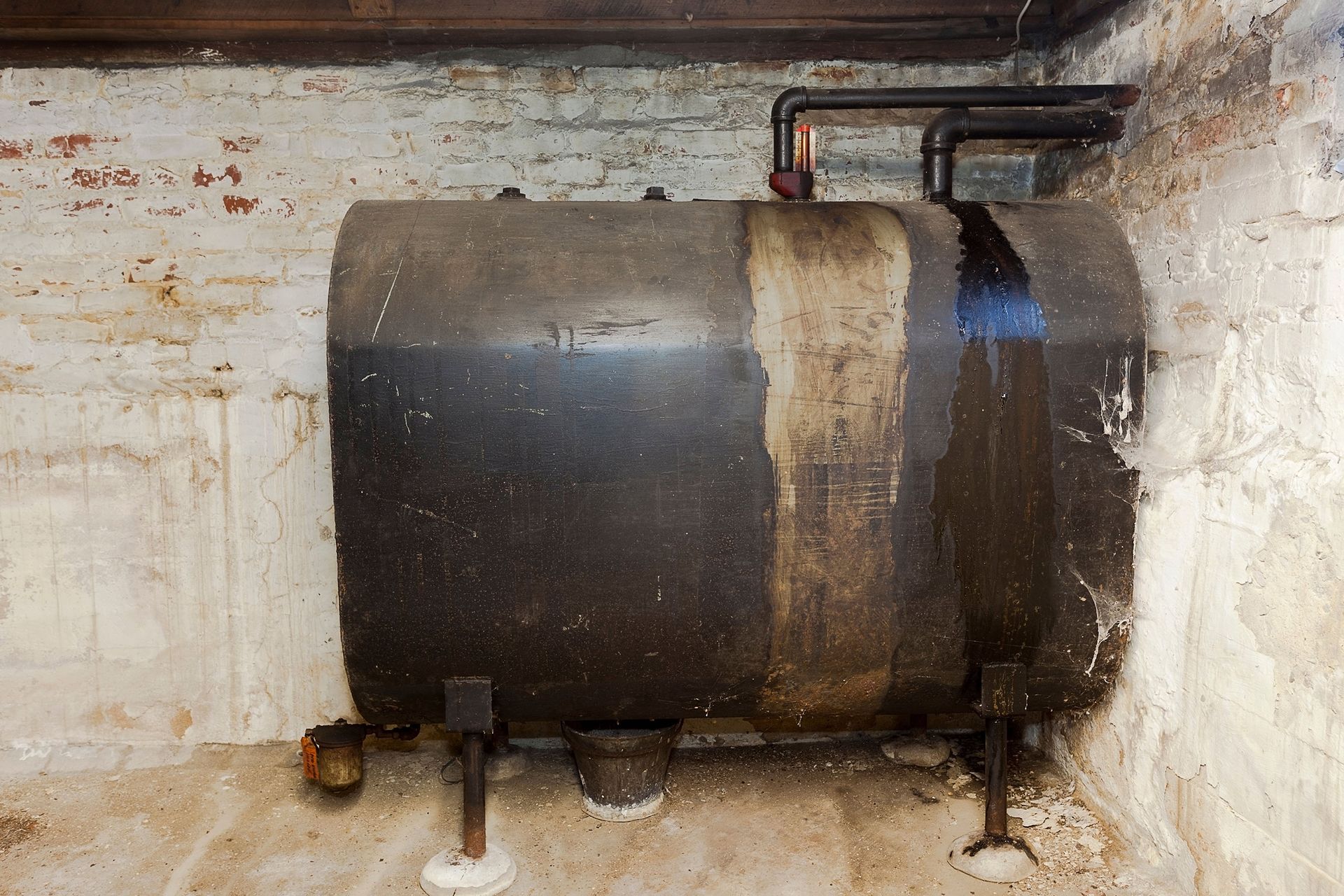
Shifting to natural gas eliminates the maintenance concerns associated with oil tanks. Underground oil tanks pose significant risks of leakage and contamination. Hazardous spills can require costly solutions and intense environmental damage recovery efforts. Gas systems avoid these challenges due to their absence of large-scale storage requirements. By choosing gas, homeowners sidestep the headaches related to oil tank maintenance and safety checks.
4.3 Modern Safety Technologies
Gas systems boast the inclusion of modern safety technologies that enhance residential safety. Features such as automatic shut-off valves and integrated sensors make gas usage more secure. These technologies ensure that gas systems operate safely and detect faults promptly. The constant development in safety measures contributes to heightened trust in gas systems. When safety merges with efficiency, homeowners gain peace of mind alongside superior energy management.
4.4 Decreased Fire Hazard
Gas systems significantly reduce fire hazards compared to oil storage and handling. The cleaner combustion process, without oil's volatile residues, minimizes ignition risks. Modern gas pipelines offer secure installations devoid of spillage-related dangers. Moreover, regulatory oversight ensures that systems adhere to high safety standards. Emphasizing fire safety, transitioning to natural gas supports comprehensive risk reduction in residences.
5. Convenience and Reliability
5.1 Uninterrupted Supply
Natural gas provides a continuous energy supply that doesn't rely on delivery schedules. Unlike oil, there is no need for frequent refueling, reducing dependency on unpredictable deliveries. Utility pipelining assures an uninterrupted supply, even in adverse conditions. An oil to gas conversion underpins homeowners’ assurance on consistent heating, particularly during harsh winters. Stress-free, uninterrupted energy enhances homeowners’ comfort and conveniences substantially.
5.2 Versatility of Gas Appliances
Gas appliances cater to a broad array of household needs, enhancing their versatility. From heating and water heating to cooking, natural gas supports diverse applications efficiently. This versatility extends beyond functionality to adapting seamlessly to evolving technological solutions. Homeowners can exploit these versatile applications to modernize and streamline home operations. Facilitating easy transition between uses, natural gas setups maximize home utility management.
5.3 Automated Thermostat Integration
Gas heating systems integrate effortlessly with smart home technologies, boosting convenience. Automated thermostats allow homeowners to customize energy usage patterns and optimize efficiency. Smart home integration offers advanced control over heating cycles and makes energy management user-friendly. This seamless interaction elevates user experience while maintaining optimal energy efficiency. Through a smart technology interface, gas systems advance modern home automation initiatives.
5.4 Less Noise Pollution
Natural gas systems operate much quieter compared to oil-based equipment. The absence of large, noisy pumps and engines ensures smoother, noise-free operation. This noise reduction supports a peaceful home atmosphere, free from intrusive mechanical disturbances. Residents enjoy quieter environments, which contribute to relaxation and well-being. Enhanced noise levels reflect another practical advantage that complements gas system benefits.
An
oil to gas conversion offers numerous advantages spanning cost efficiency, environmental benefits, safety improvements, and modern conveniences. Call Removal Pro today to get started with your conversion. We'd love to assist you!