September 3, 2026
Oil tank removal is a critical process that homeowners and property managers must occasionally undertake to ensure environmental safety and compliance with local regulations. Understanding the intricacies of oil tank removal can help in making informed decisions, minimizing risks, and managing costs effectively.
This comprehensive guide aims to provide a clear understanding of the necessity and procedures involved in the removal of oil tanks, which can greatly impact property value, safety, and environmental health. Once an oil tank reaches the end of its useful life, or if it poses potential hazards, timely removal is essential. By gaining insights into this often complex process, property owners can better prepare themselves to handle any issues that may arise during the removal timeline.
1. Importance of Oil Tank Removal
1.1. Environmental Concerns
The environmental implications of oil tank leakage can be severe, making the removal process critical. Leaking oil tanks can contaminate soil and groundwater, leading to long-term ecological damage that is both costly and difficult to remediate. Early detection and removal of compromised tanks are essential for mitigating these environmental risks. The failure to address an aging or damaged oil tank promptly can result in significant pollution issues that not only affect the immediate area but also extend to surrounding ecosystems. Property owners have a responsibility to prevent such contamination by ensuring that their oil tanks are regularly inspected and maintained.
1.2. Legal and Regulatory Requirements
Compliance with local, state, and federal regulations is another compelling reason for oil tank removal. Many jurisdictions have stringent requirements for the storage and disposal of oil tanks, particularly when they pose environmental risks. Failing to meet these regulatory requirements can result in significant fines and legal penalties. It's crucial for property owners to stay informed about the changing legal landscape related to oil tank storage and removal. Engaging with professionals who are familiar with these regulations can greatly aid in ensuring that all legal requirements are met during the removal process.
1.3. Property Value Implications
The presence of an old or malfunctioning oil tank can drastically affect the value of a property. Prospective buyers often see them as financial and environmental liabilities and may be deterred from purchasing such properties. Timely removal of oil tanks can not only alleviate these concerns but also enhance overall property marketability. Addressing the oil tank issue can be a proactive step to maintaining or increasing property value in a competitive real estate market. By removing potential hazards, sellers can offer peace of mind to buyers, ultimately facilitating a quicker and more profitable sale.
1.4. Safety Considerations
Oil tanks, especially those that are aging or damaged, pose significant safety hazards. The risk of oil leaks or spills can lead to dangerous conditions such as fires or health problems due to exposure. Safety is a paramount consideration, as the consequences of neglecting a compromised oil tank can be severe. Regular inspections and proactive removals are essential steps in ensuring the safety of the property and its occupants. By addressing these safety concerns, property owners can protect both lives and assets.
1.5. Financial Implications
While the cost of oil tank removal can be substantial, the potential financial ramifications of ignoring it can be even greater. Environmental cleanup from leaks or regulatory penalties can quickly inflate costs beyond the initial expenditure of proper removal. According to Tank Solutions, above-ground tanks are generally less expensive to remove compared to underground tanks, providing a cost-effective option for some property owners. It's important to weigh the immediate costs of removal against the potential long-term savings it offers by avoiding further complications. Planning and budgeting for oil tank removal can prevent unforeseen expenses down the line, making it a financially sound decision.
2. Types of Oil Tanks and Their Characteristics
2.1. Above-Ground Oil Tanks
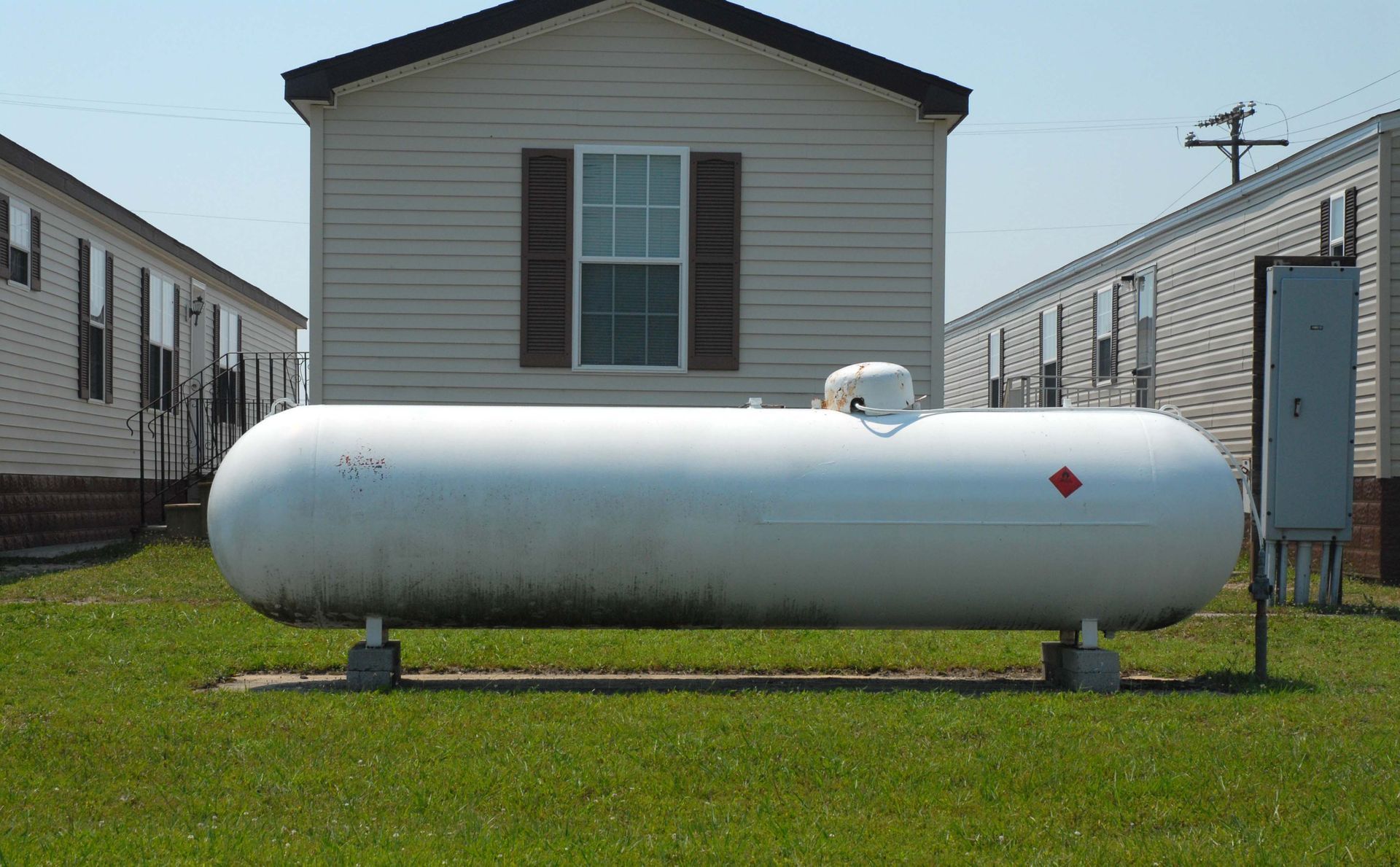
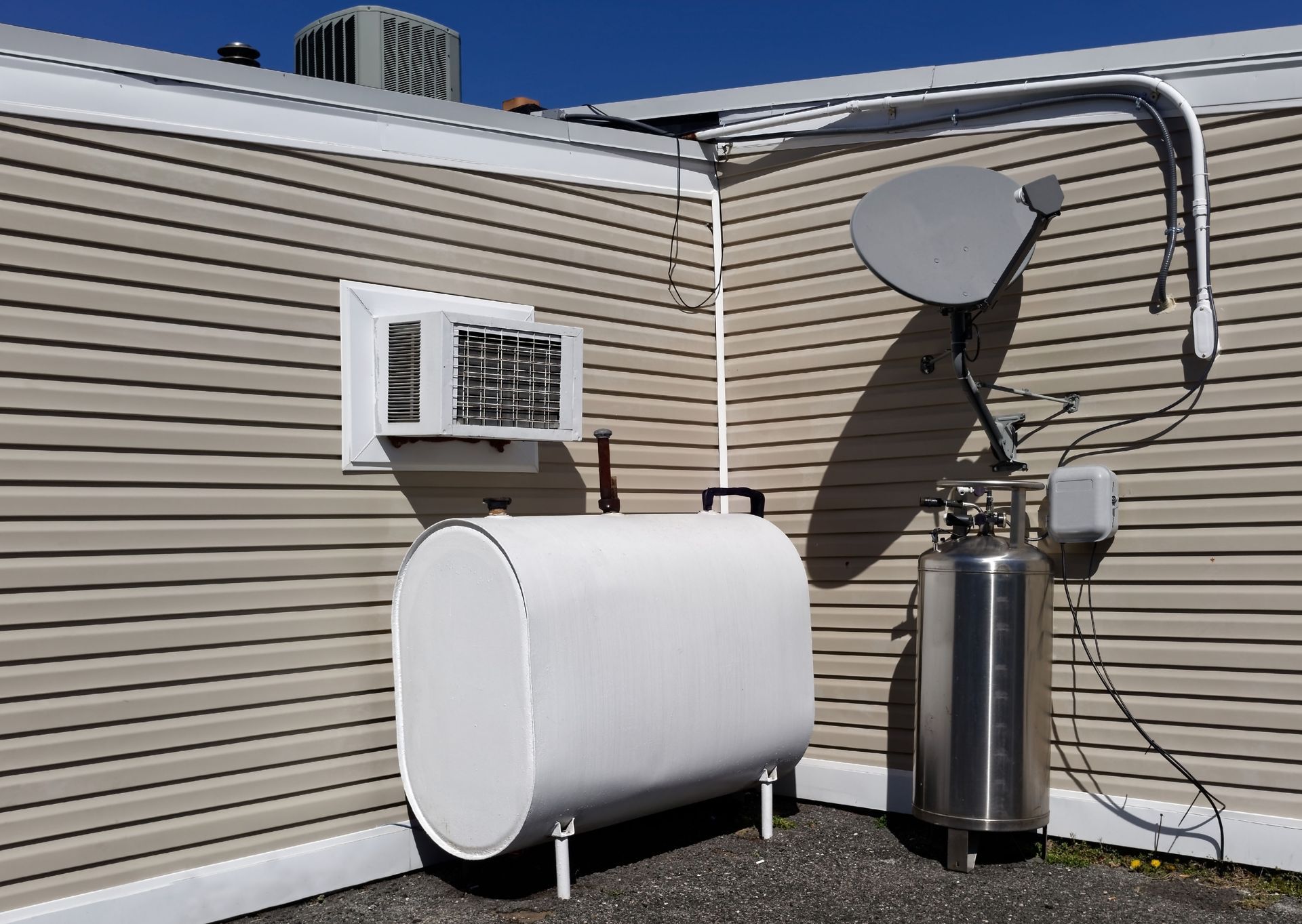
Above-ground oil tanks are a common choice due to their ease of access and visibility, which facilitates regular maintenance checks. These tanks are typically installed in basements, garages, or outside of buildings, offering straightforward inspection opportunities. Above-ground tanks are also favored for their relatively lower removal costs when compared to underground tanks, as highlighted by Tank Solutions. Their design allows for easier detection of leaks or deterioration, enabling prompt corrective actions. Despite these advantages, it's important to consider proper installation and ongoing maintenance to prevent potential hazards or issues.
2.2. Underground Oil Tanks
Underground oil tanks, while less obtrusive visually, present unique challenges due to their hidden nature. These tanks are often buried for aesthetic or space-saving reasons but require careful monitoring to detect leaks or structural issues. The removal of underground tanks is typically more complex and costly, involving excavation and possibly addressing soil contamination. Their placement can make regular inspections difficult, potentially leading to unnoticed damage over time. Property owners must be vigilant in monitoring for any signs of leakage to avoid environmental and financial complications.
2.3. Material Variations and Their Impact
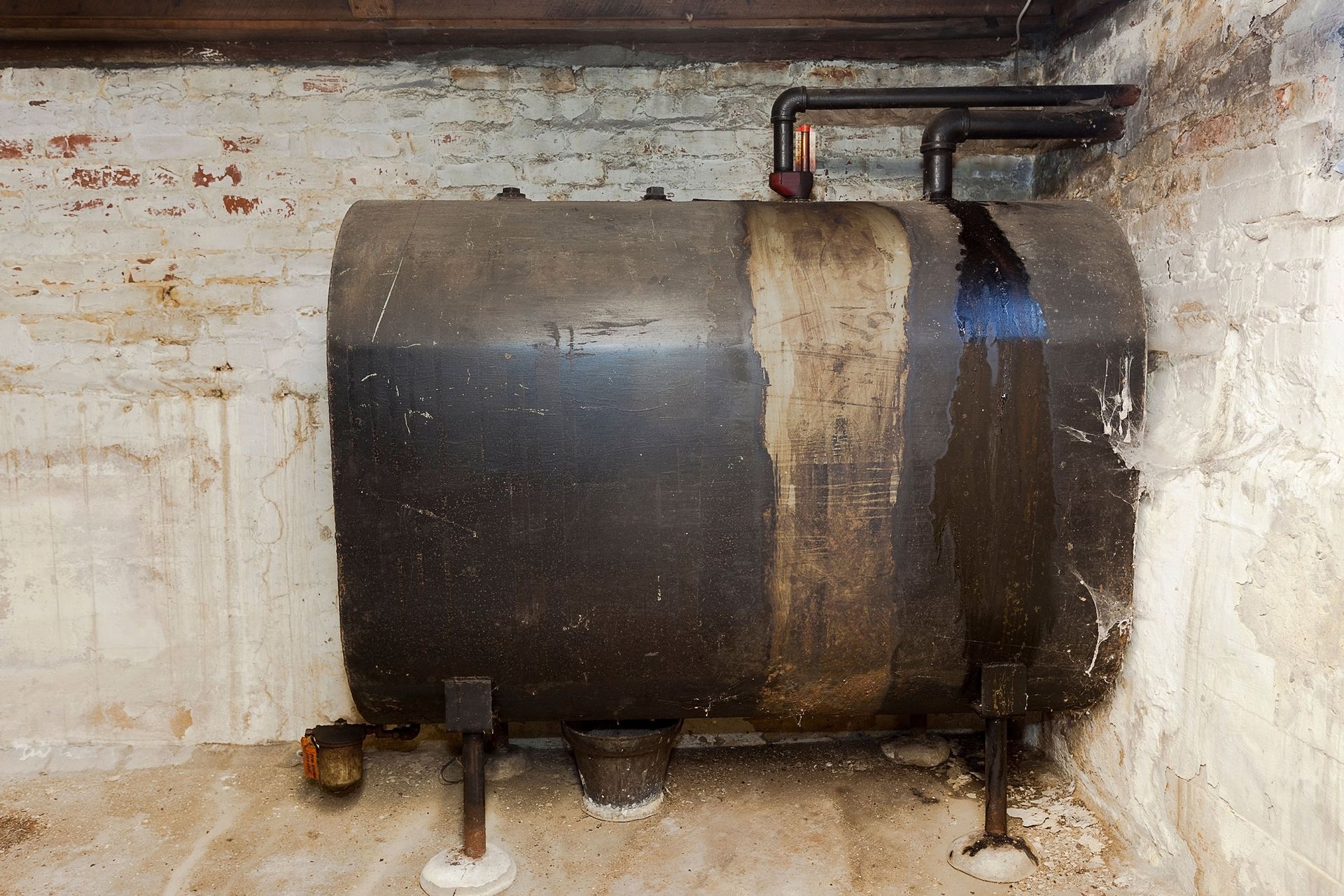
Oil tanks are commonly made from materials such as steel, fiberglass, or a combination of both, each offering varying levels of durability and cost. Steel tanks are prone to rust and corrosion over time, especially when exposed to moisture, which can compromise their integrity. Fiberglass tanks, on the other hand, offer greater resistance to corrosion and are often preferred for their longevity. However, they tend to be more expensive, necessitating a cost-benefit analysis when selecting the appropriate tank material. Understanding how material types impact the longevity and maintenance needs of oil tanks is crucial for effective planning.
2.4. Common Sizes and Capacities
Oil tanks come in a range of sizes and capacities to meet varying heating needs, typically measured in gallons. Common residential oil tank sizes include options like 275, 500, and 1,000 gallons, each designed to accommodate different property requirements. The selection of tank size impacts not only storage capacity but also removal complexities and costs, especially if larger tanks require extensive excavation work. It's essential for property owners to select a tank size that balances current and future needs without compromising on logistics or safety. Consulting with professionals can help determine the optimum tank capacity and ensure compliance with local regulations.
3. The Oil Tank Removal Process
3.1. Initial Assessment and Permitting
The oil tank removal process typically begins with a thorough assessment of the tank's condition and surrounding environment. This evaluation helps identify the necessary steps for removal and any potential hazards, such as contamination or structural complexity. Obtaining the correct permits is essential and may involve coordinating with local authorities to ensure adherence to regulatory requirements. The permitting process can vary greatly depending on the tank's size, type, and the local environmental legislation, making professional guidance crucial. Properly authorized removal not only adheres to legal standards but also ensures safe and efficient tank processing.
3.2. Tank Decommissioning
Once all necessary assessments and permits are in place, the next step involves the decommissioning of the oil tank. This process includes removing any residual oil and thoroughly cleaning the tank to prepare it for safe removal. Effective decommissioning is crucial for minimizing environmental risks and ensuring the complete removal of any hazardous materials. Professionals often use specialized equipment to securely pump out and dispose of the leftover oil. This step is vital to prevent soil contamination and to comply with environmental safety standards that govern oil tank removals.
Excavation is a key component of the oil tank removal process, particularly for underground tanks. This involves strategically digging around the tank to expose it fully, allowing for safe extraction. Depending on the tank's location and the surrounding terrain, various excavation techniques may be employed to minimize disruption and protect nearby structures. Maintaining safety throughout excavation is critical, as improper handling can result in collapse or spillage. It's important to work with experienced contractors who understand the intricacies of excavation to ensure a successful and incident-free removal process. Be sure to reach out to Removal Pro today to learn more about our professional oil tank removal!